RHIZA – Making digital farming work for you
FEBRUARY, 2026
Blog
Fungicide decisions are rarely straightforward. Disease pressure, variety susceptibility, drilling date, weather and crop condition can all change how much protection is needed and when.
Agrii’s Digital Technology Farm trials are exploring whether combining different sources of crop and disease information can help make those decisions more targeted.
In 2026, the trials entered their third year, using tools including Contour disease forecasting and BioScout spore monitoring alongside field observations to inform fungicide strategy.
Combining disease risk information with field observations
Lucy Cottingham, Digital Agronomy Development Manager for Agrii, explains that variety susceptibility provided the starting point for assessing likely disease pressure.
“The variety that is sown gave us an understanding of what the disease pressure might be.”
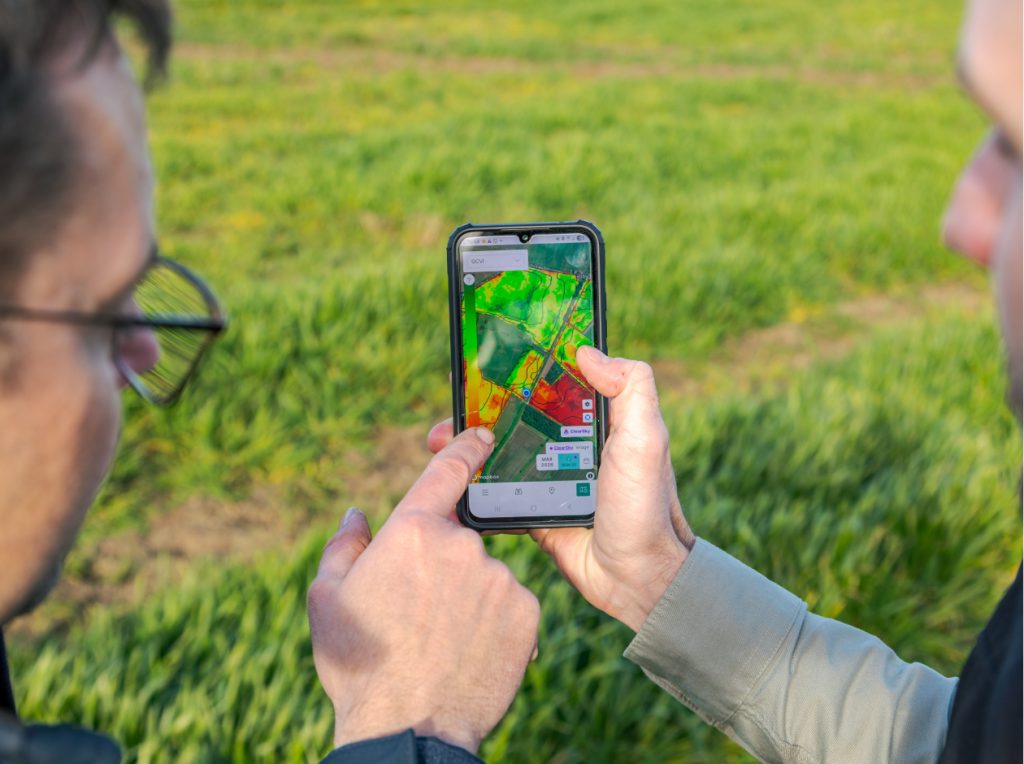
The trial also used the disease risk tool within Contour, which uses a traffic-light system to indicate risk from different wheat diseases at a given time.
This was combined with information from BioScout, a smart spore trap positioned in the field.
The device captures airborne fungal spores on sticky tape and uses microscopy and AI to identify different disease spores.
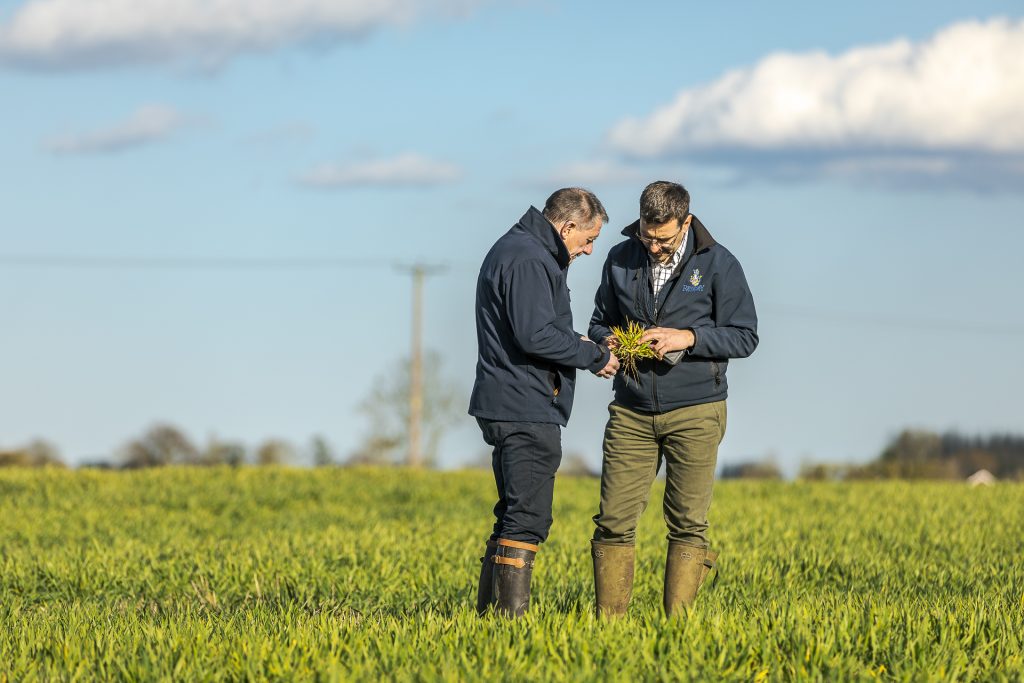
“Combining the information from BioScout on what diseases were detected with the disease risk indication in Contour, added to us walking the crop to see what disease we could find, gave us the basis for building the fungicide programme,” says Lucy.
Adjusting the programme as disease risk changed
Dry conditions during the previous spring reduced early disease pressure in the trial.
Based on the information available, fungicide inputs were reduced at T0 and T1 and replaced with a biostimulant and nutrition-led approach using the plant health elicitor Innocul8 and micronutrient mixes.
As yellow rust became active later in the crop, the programme changed.
A more typical SDHI and azole mix was applied at T2, followed by a prothioconazole-tebuconazole mix at T3.
The approach illustrates how digital information can support changes in strategy during the season rather than committing to one programme from the outset.
What the trial showed
The total programme cost in the trial area was the same as the host farm standard.
Although less fungicide was used earlier in the programme, the cost of the biostimulant and nutritional products offset those savings.
The trial area yielded 0.8 t/ha more than the farm standard.
Lucy attributes the response to a combination of improved crop health associated with the micronutrient applications and Innocul8, together with the two-layered variable rate nitrogen approach used in the trial.
“One of the learnings from the dry season last year was that we didn’t necessarily get the benefit of pushing late green leaf area retention because the crop droughted out by the time you would expect to see the benefit,” she says.
Using technology to support, not replace, agronomy
The trial does not suggest that disease forecasting or spore monitoring should replace crop walking.
Instead, the value comes from bringing together several sources of information.
Variety susceptibility, disease models, spore detection and observations in the field each provide a different part of the picture. Used together, they can help build a more informed view of disease risk and support decisions around fungicide timing and programme intensity.
That is particularly relevant in seasons where disease pressure changes quickly or where the economics of applying additional chemistry need closer consideration.
Building a clearer picture of disease risk
Digital disease tools can help identify when risk is increasing, but interpretation remains important.
Weather, crop development, variety and field observations still influence the final agronomic decision.
The Digital Technology Farm trials are continuing to assess how these different data sources can be combined and where they can support more targeted crop protection decisions.
Speak to the RHIZA team or your Agrii agronomist about using Contour disease risk information alongside field observations to support crop protection decisions.